Hekayi: A Handwritten Typeface for Digital Branding
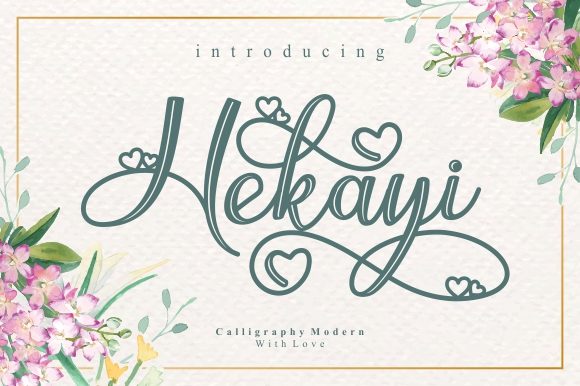
In the crowded landscape of web design, establishing an immediate emotional connection with visitors is paramount. As digital creators, we often rely on clean grids and predictable layouts to ensure usability, but these structures can sometimes feel sterile. This is where Hekayi enters the workflow. It is not merely a decorative element; it is a strategic tool for injecting personality into digital interfaces. Inspired by classic calligraphy, this incredibly beautiful handwritten font bridges the gap between traditional elegance and modern web standards, offering a unique voice for brands that need to stand out without sacrificing professionalism.
Visual Hierarchy and Hero Section Impact
The primary challenge in UI design is guiding the user’s eye through the content. Hekayi excels in establishing visual hierarchy, particularly in hero sections and landing page headers. Its varying stroke weights and organic flow create a natural focal point that draws attention immediately. When used for main headlines, it breaks the monotony of standard sans serif fonts, signaling to the visitor that the brand values craftsmanship and attention to detail.
For conversion-focused layouts, such as course sales pages or boutique online stores, the hero title sets the tone for the entire user journey. Hekayi’s calligraphic roots provide a sense of authority and warmth, which can significantly boost brand trust. However, its effectiveness relies on restraint. Using it for short, impactful phrases rather than long paragraphs ensures that the message remains clear while the aesthetic appeal remains high. This balance is crucial for maintaining readability across different devices.
Enhancing Brand Identity Through Typography
A consistent online identity is built on more than just color palettes and logos; it is deeply rooted in typography. Hekayi serves as a cornerstone for brand identity, especially for creative entrepreneurs, coaches, and lifestyle brands. The font’s personality is sophisticated yet approachable, making it ideal for industries where personal connection drives sales. Whether you are designing a portfolio site for a photographer or a digital product launch for a consultant, Hekayi adds a layer of premium quality that resonates with target audiences.
In editorial design and blog graphics, this typeface can transform standard headers into engaging visual assets. It works exceptionally well for section headings that introduce new topics, creating a rhythmic break in the content flow. This helps users scan the page more effectively, improving the overall user experience. By integrating Hekayi into your brand kit, you ensure that every touchpoint, from social media graphics to email newsletters, maintains a cohesive and professional look.
Strategic Font Pairing for Web Usability
No font exists in isolation. The true power of Hekayi is revealed when it is paired correctly with complementary typefaces. Since Hekayi is a detailed script font, it requires a stable partner for body copy and secondary information. A clean, geometric sans serif font is often the best choice, providing a neutral background that allows Hekayi to shine without competing for attention. This contrast enhances readability and creates a modern typography aesthetic that feels balanced and intentional.
For those aiming for a more traditional or literary feel, pairing Hekayi with a refined serif font can evoke an editorial design vibe. This combination works well for luxury brands or heritage businesses looking to convey history and reliability. The key is to ensure that the secondary font has sufficient weight and clarity to support the decorative nature of the primary script. Avoid pairing it with other handwritten or overly complex fonts, as this can lead to visual clutter and reduce the professionalism of the design.
Technical Features and Digital Implementation
From a technical standpoint, Hekayi is designed for ease of use in digital environments. It is PUA encoded, which means designers can access all glyphs and swashes with ease directly from their design software. This feature is invaluable for creating unique logo designs or custom accents without needing advanced vector editing skills. The ability to toggle between standard characters and decorative alternates allows for greater customization, ensuring that each implementation feels bespoke.
When implementing Hekayi on websites, consider the file formats and webfont availability. Ensuring that the font loads quickly and renders correctly across browsers is essential for maintaining performance metrics. For responsive layouts, it is crucial to test how the font scales on mobile screens. While Hekayi is beautiful at large sizes, it may lose legibility if used for small buttons or dense text blocks on smartphones. Adjusting line height and letter spacing can help maintain clarity on smaller devices.
Readability and Accessibility Considerations
Accessibility is a non-negotiable aspect of modern web design. While Hekayi is visually striking, it should be used primarily for display purposes rather than body text. On dark backgrounds, ensure there is sufficient contrast to prevent the intricate strokes from blending into the background. Similarly, when placing text over image overlays, use solid color blocks or gradients behind the text to enhance legibility. This practice ensures that the aesthetic appeal does not compromise the usability of the content.
For call-to-action areas, use Hekayi sparingly. A button label in a complex script can be difficult to read quickly, potentially lowering conversion rates. Instead, use it for the headline above the button, keeping the button text itself in a simple, bold sans serif. This approach maintains the visual hierarchy while ensuring that the primary action is clear and accessible to all users.
Licensing and Professional Application
Before integrating Hekayi into client projects or commercial products, it is essential to review the licensing terms. Commercial font licensing varies depending on whether the usage is for personal projects, client websites, or digital templates. Ensure that the license covers web embedding, online store banners, and any other digital assets you plan to create. Proper licensing not only protects your work but also supports the creators who develop these high-quality design assets.
By understanding the strengths and limitations of Hekayi, web designers and UI creators can leverage its beauty to enhance digital experiences. It is a versatile tool that, when used with intention, elevates brand perception and engages users on a deeper level. Whether for a SaaS founder looking to humanize their platform or a blogger aiming to refine their visual identity, Hekayi offers the perfect blend of artistry and functionality.